Sand vs. Aquarium-Grade Filter Media: Is Your Filter the Real Problem?
Before you dump more chemicals at cloudy water, it is worth finding out whether the filter is actually doing its job.
September 15, 2026 · 2 min read
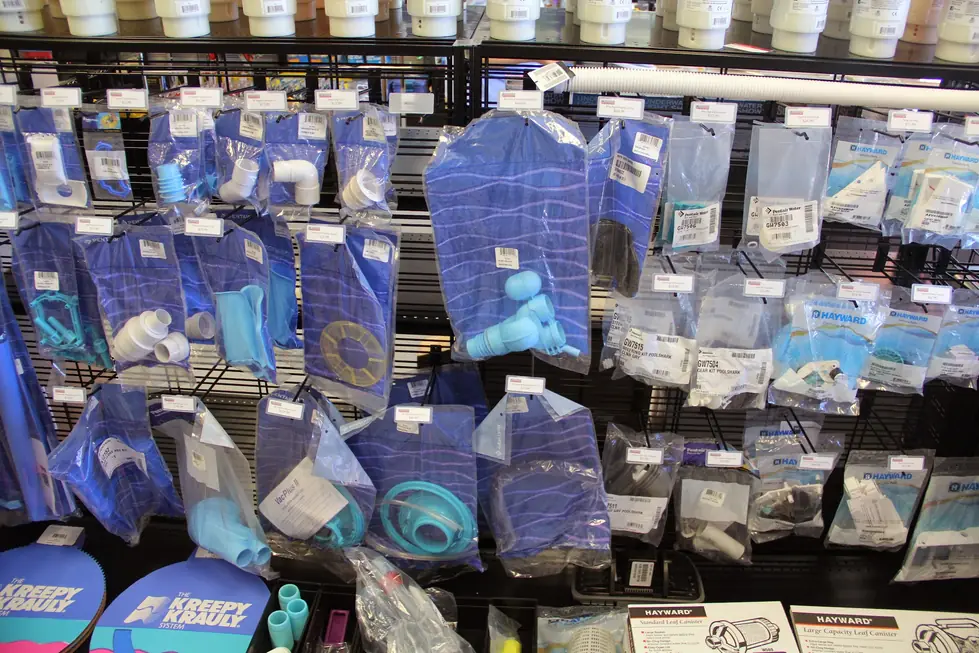
Not every cloudy pool is a chemistry problem. We see this pattern often: the free chlorine and pH both come back right in range on the test printout, and the water is still hazy. At that point the conversation usually shifts away from the chemical shelf and toward the equipment pad, because a filter that is not doing its job can leave water looking dull no matter how correctly it is balanced on paper.
How to Tell the Difference
If your test numbers look fine but the water still is not clear, or it clears up for a day after shocking and then clouds right back over, that is a filtration signal, not a chemistry one. Other signs worth watching: pressure on the filter gauge climbing well above where it normally sits after backwashing, return jets pushing noticeably less flow than they used to, or debris settling on the pool floor faster than the filter seems to be pulling it out. Any one of these on its own might be nothing. A couple of them together, especially alongside cloudy water despite good chemistry, usually means it is time to look at the filter media itself rather than the water chemistry again.
What Sand Actually Does
Traditional sand filters work by trapping particles as water pushes through a bed of sand, and they have been the standard for decades because they are simple and reliable. The tradeoff is particle size. Sand filters generally stop catching anything smaller than roughly twenty to forty microns, which is fine for larger debris but leaves the finer particles that actually cause hazy, dull-looking water to pass right through and recirculate.
The Aquarium-Grade Alternative
We carry a filter media that was originally developed to keep water safe for marine mammals in aquarium environments, a setting where filtration has to be far more exacting than a backyard pool ever needs to be, and it is now available as a drop-in replacement for sand in a standard residential sand filter. It fits the same housing you already have. No new equipment, no new plumbing. The advantage is that it filters down to a noticeably finer particle size than sand, which means it catches the fine cloudiness-causing particles that sand simply passes by.
- Same filter housing and pump, no equipment change required.
- Finer filtration than sand, aimed at the particle sizes that actually cause hazy water.
- One-time swap rather than an ongoing product you have to keep buying.
- Worth considering specifically when chemistry tests fine but the water still will not clear.
It is not a fix for every cloudy pool, and it will not correct a real chemistry imbalance, high combined chlorine or wrong pH still need to be addressed as chemistry problems first. But when the printout says the water is balanced and it still does not look right, switching from sand is often the piece that was actually missing. If you are not sure which category your pool is in, bring a sample by for the free test, and if the numbers come back clean we can talk through what the filter itself might be doing.
Champion Pool and Spa Supply, (520) 829-6400
Call (520) 829-6400More articles
How to Read Your Free Water Test Results
Eleven numbers come off the printer in about a minute. Here is what the four that matter most are telling you.
What Tucson Summers Do to Your Pool Water
Heat burns off chlorine faster than most owners expect, and the monsoon brings its own problems in on the wind.